
It’s well known that human activity is impacting marine ecosystems, but recent data highlights a frightening acceleration in this decline. The 2025 IUCN Red List now identifies over 48,000 species threatened with extinction globally. Within our oceans, the statistics are equally alarming: 38% of sharks and rays and 44% of reef-building corals are now at risk of being lost forever.
Below, we explore the challenges facing the giant manta ray, whale shark, and other critical species, while discussing how conservation efforts are being made by aquariums like Blue Reef Aquarium Portsmouth to support the fight for their survival.
Why are ocean animals at risk of becoming endangered?
Our oceans are facing a multitude of threats, most of which are sadly caused by human activity. While nature has its own delicate balance, the current rate of decline for many species is unprecedented. Here are some of the primary issues affecting marine life today.
Overfishing and bycatch
Overfishing is simply catching fish at a faster rate than they can reproduce, while bycatch refers to the accidental capture of unwanted marine life while fishing for a different species. This is a major issue because it prevents fish populations from recovering, leading to a collapse in their numbers. Common victims of these practices include bluefin tuna and Atlantic cod, but it’s not just fish that suffer. Sea turtles, sharks, and rays are frequently caught in nets intended for other catches, often with devastating consequences.
Habitat loss and degradation
Just like animals on land, marine creatures need safe homes to survive. Destructive fishing methods like seabed trawling can flatten the ocean floor, destroying vital ecosystems. Coastal development and pollution also contribute to the destruction of coral reefs, which are nurseries for thousands of species like clownfish and grouper. Other essential habitats, such as kelp forests and seagrass meadows, homes to sea otters, seahorses, and dugongs, are disappearing at an alarming rate, leaving marine life without shelter or food.
Climate change and warming seas
As our planet warms, so do our oceans. Rising sea temperatures cause significant stress to marine life, forcing some species to migrate to cooler waters and disrupting the balance of the food chain. One of the most visible impacts is coral bleaching, where heat stress causes corals to expel the algae living in their tissues. This turns them stark white and, if temperatures remain high, leads to the death of the reef, effectively destroying the habitat for the entire ecosystem that relies on it.
Ocean pollution
From single-use plastics to chemical runoff and oil spills, pollution is choking our oceans. Larger animals often mistake plastic bags for jellyfish, while microscopic pieces of plastic, known as microplastics, are ingested by everything from plankton to whales and seabirds. This not only harms the animals physically but also introduces toxins into the food chain. For a deeper look at this issue, you can read our blog on the impact of rubbish in our oceans.
Most endangered animals in the ocean
The following species are just a handful of the thousands currently facing the threat of extinction. The reality is far more complex, involving entire ecosystems, but understanding the plight of these specific animals helps to highlight the urgent need for conservation.
Giant manta ray
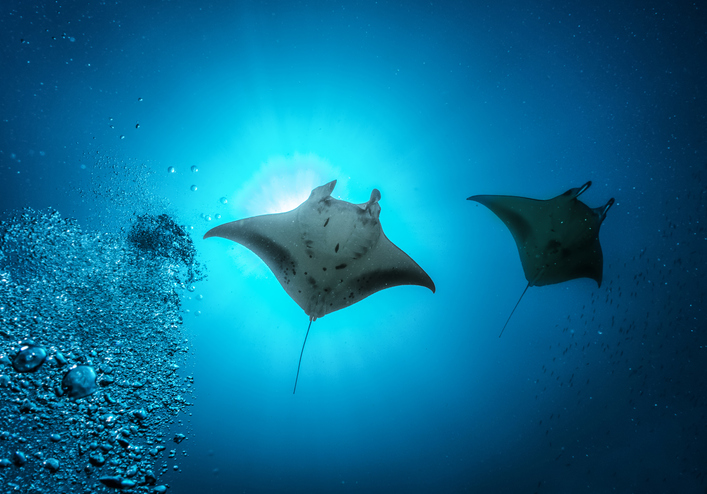
Rays are extraordinary creatures, and you can see them locally in the Solent Seas exhibit here at Blue Reef Aquarium Portsmouth. Sadly, the largest of these species, the giant manta ray, is now critically endangered, with experts estimating that as few as 1,500 remain in the wild.
With a wingspan of up to 30 feet, these majestic animals are under threat primarily because they are highly prized for their gill plates, which are consumed for medicinal purposes in China. This persecution is devastating because manta rays only give birth to one offspring every few years, meaning their population simply can’t keep pace with the decline.
Whale sharks
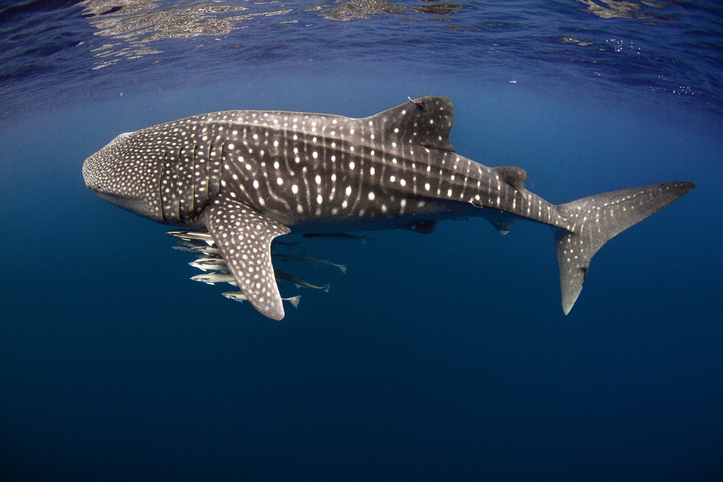
Featured on many wildlife programmes, whale sharks are the largest fish in our oceans, yet they face a monumental struggle for survival.
Over the past 75 years, the IUCN has recorded a staggering decline in their numbers. Current estimates suggest that there are fewer than 200,000 mature individuals left in our oceans. Whale sharks are vital to the marine ecosystem, but their method of filter feeding makes them highly vulnerable to plastic pollution and water-borne toxins. Furthermore, “whale shark tourism” is having a significant impact, as boat traffic disrupts their feeding patterns and leads to collisions.
North Atlantic right whale
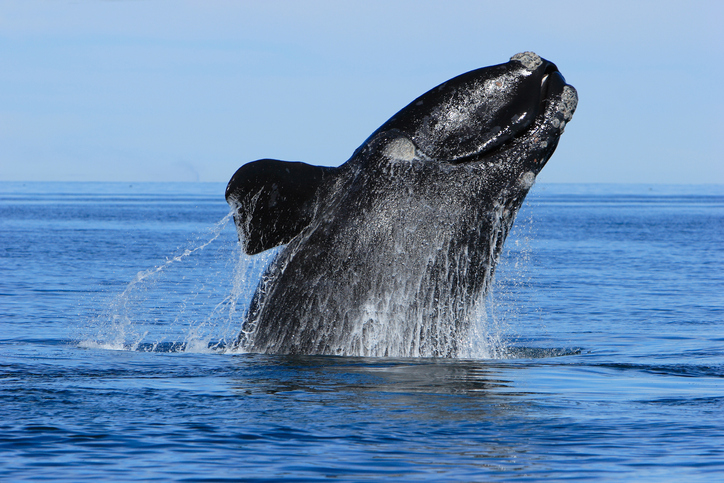
The North Atlantic right whale is facing a catastrophic decline, with recent data suggesting there are only around 200 to 250 individuals left.
Although whaling has been outlawed since the 1970s, these whales are still suffering from entanglement in fishing gear. Mothers and calves are especially vulnerable as they swim slowly close to the surface. Despite industry moves towards “ropeless” equipment, their numbers continue to fall, making them a critical priority for conservationists.
Vaquita
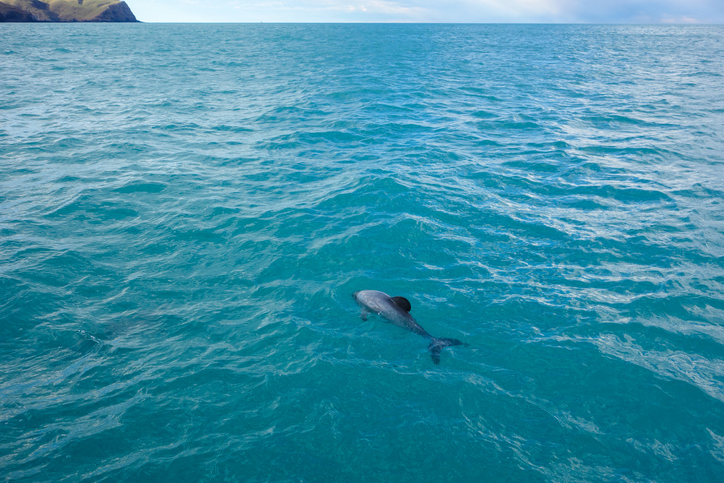
You may never have heard of the Vaquita, yet research suggests they are the most endangered species in the ocean. Native to the Gulf of California, this porpoise is critically threatened by unregulated fishing practices.
Remarkably, recent surveys indicate that the population may now stand at 18 individuals, rather than the previously estimated 10. While numbers may be on a slight rise, this remains a deeply concerning figure, and the beautiful vaquita is still teetering on the brink of extinction.
Hammerhead sharks
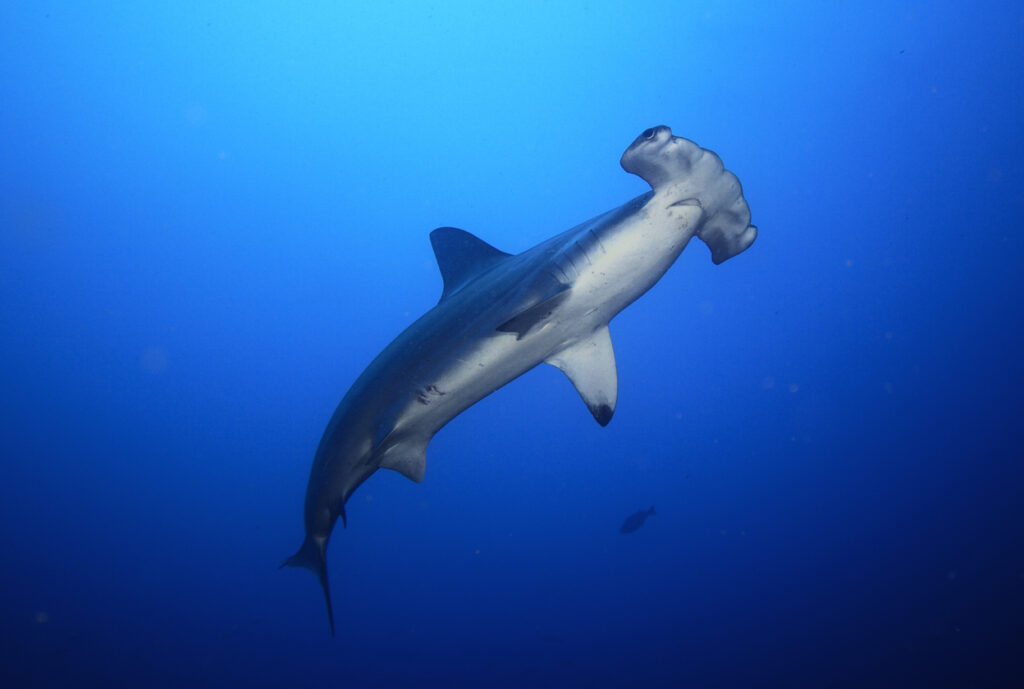
Instantly recognisable by their unique head shape, hammerhead sharks are sadly facing a critical struggle for survival. There are nine species of hammerhead, but the great Hammerhead, the largest hammerhead, is critically endangered.
Their greatest threat comes from the shark fin trade, where they are targeted for their large, high-value fins. They are also frequently caught as bycatch in commercial fishing nets. If you have ever wondered why sharks are classified as endangered, the story of the hammerhead serves as a stark answer. Because they reproduce slowly, giving birth to live young rather than laying eggs, their populations cannot recover quickly enough from this heavy fishing pressure.
Blue whale
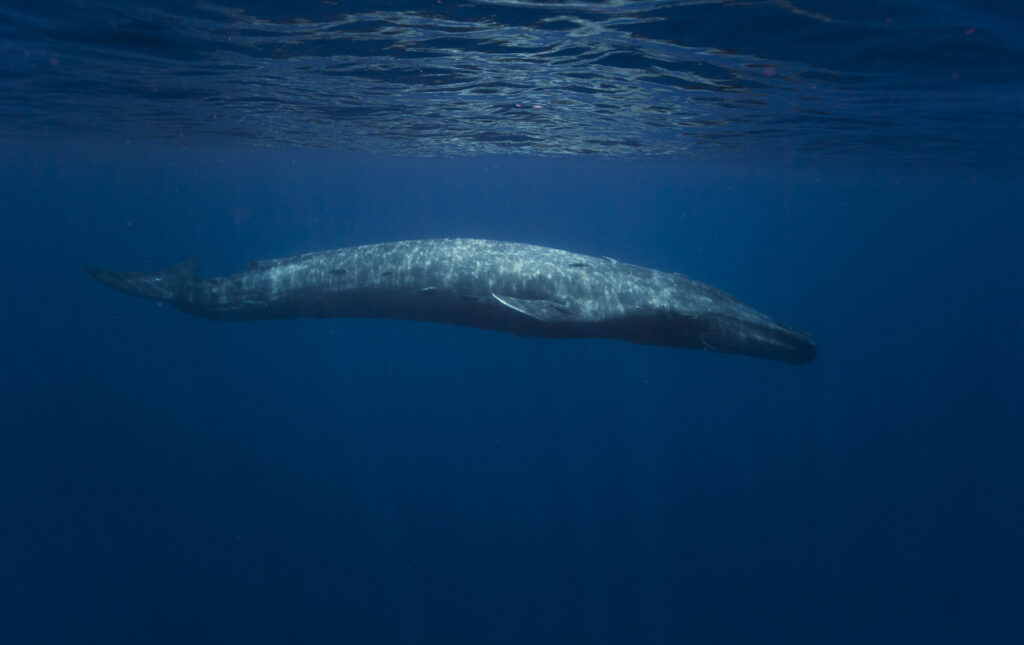
No list of endangered ocean giants would be complete without the blue whale, the largest animal to have ever lived. Reaching colossal lengths of up to 30 metres and weighing as much as 200 tonnes, these gentle giants dwarf even the biggest dinosaurs.
Despite their size, they are listed as endangered, with experts estimating that only 5,000 to 15,000 mature individuals remain in our oceans today. While commercial whaling pushed them to the brink in the past, their current threats are more modern: strikes from large shipping vessels, entanglement in fishing gear, and noise pollution, which disrupts their communication. Climate change also poses a severe risk by reducing populations of krill, their primary food source.
How many ocean animals are endangered?
The species we have discussed are sadly just the tip of the iceberg. The 2025 IUCN Red List reveals that over 48,000 species globally are threatened with extinction, and our oceans are bearing the brunt of this crisis.
It’s not just the famous “mega-fauna” like whales and sharks that are at risk; countless smaller and less familiar creatures are also disappearing. For example:
Sea turtles
Nearly all seven species of sea turtle are classified as threatened, with the hawksbill and Kemp’s ridley turtles being critically endangered.
Coral reefs
A staggering 44% of reef-building coral species are now at risk of extinction due to warming seas and acidification.
Marine invertebrates
Species such as abalone shellfish and sea cucumbers are facing massive declines due to over-harvesting and poaching.
How can we protect ocean animals?
While the statistics can feel overwhelming, there is still hope if we act together. Protecting our oceans starts with education and understanding the creatures we share our planet with. Simple changes in our daily lives, like choosing sustainable seafood, reducing single-use plastics, and lowering our carbon footprint, can collectively make a massive difference.
This is where Blue Reef Aquarium Portsmouth plays a vital role. As conservation experts, we believe that seeing these incredible animals up close fosters a deep connection that inspires people to protect them. Visiting an aquarium helps put everything into perspective, as well as funding vital ocean conservation research and education programmes.
We understand that this post may have made for difficult reading, but sadly, it reflects the reality facing many of our beloved marine species. There are, of course, lots of campaign groups working tirelessly to protect and restore endangered aquatic animals all around the world, and lots of ways to help protect marine environments yourself. Be sure to read our complete conservation guide for additional advice and resources, or visit our homepage to plan your next visit to Blue Reef Aquarium Portsmouth.